


APM: Pioneering Sustainable Performance
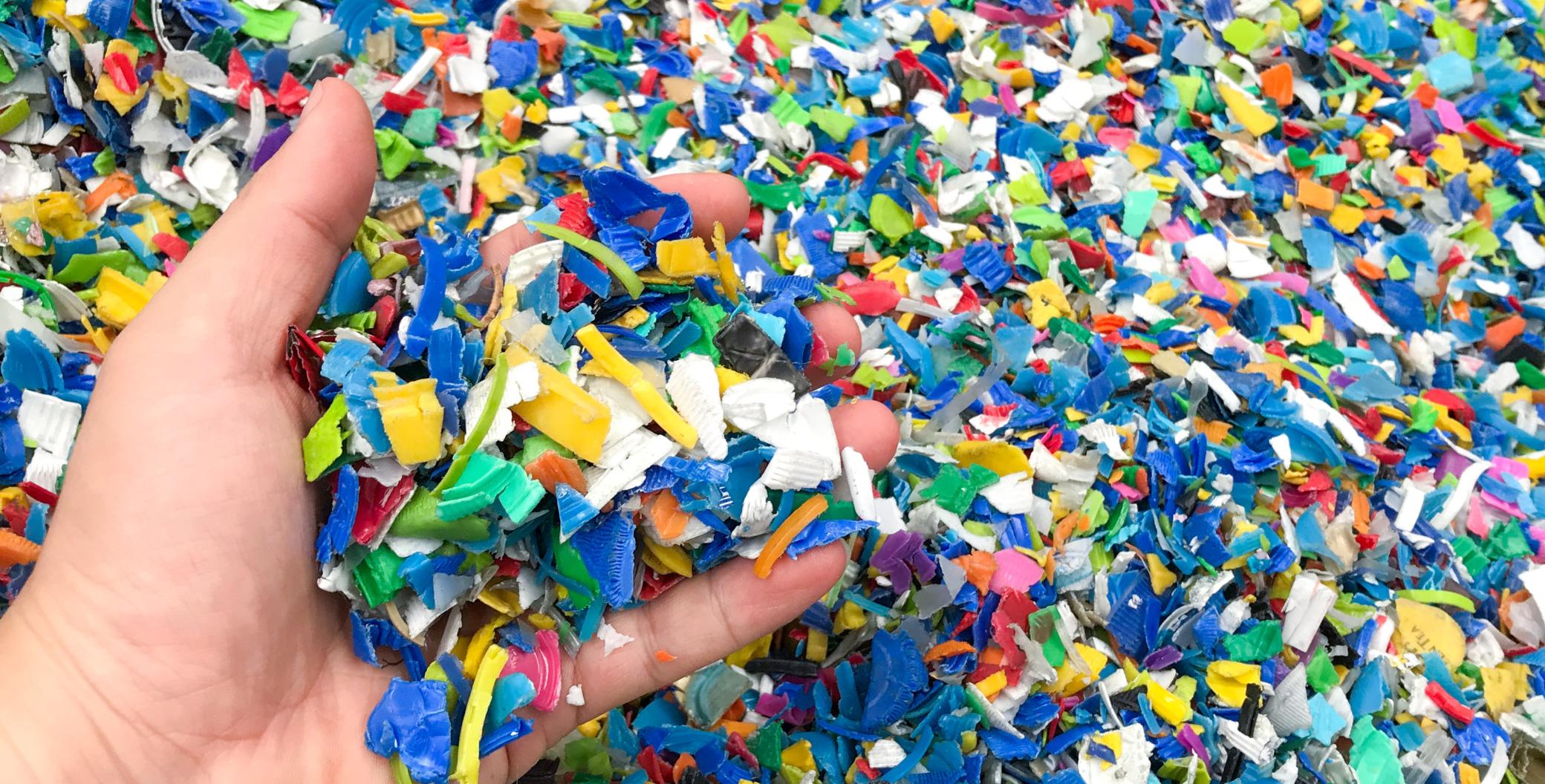
Turning waste into high-performance materials is no easy task. Recycled plastics and biomass come with variability, while applications come with demanding specifications.
That’s where our expertise comes in. At MATERI’ACT, we combine material science, formulation expertise and industrial know-how to deliver consistent quality and performance.
How ? Take a quick peek at this video (and then we’ll explain more).
Getting from plastic milk bottle and hemp to a high performance material is a long, multi-stage journey with plenty of obstacles along the way. Are you ready to set off?
The very first biomaterial we launched was hemp-packed NAFILean. This was only possible through a close partnership (and later joint venture, aka APM) with agricultural cooperative Interval to obtain consistently high-quality hemp. The same collaborative approach applies to our recycling partners. Local sourcing can also help reduce transport impact and improve traceability.
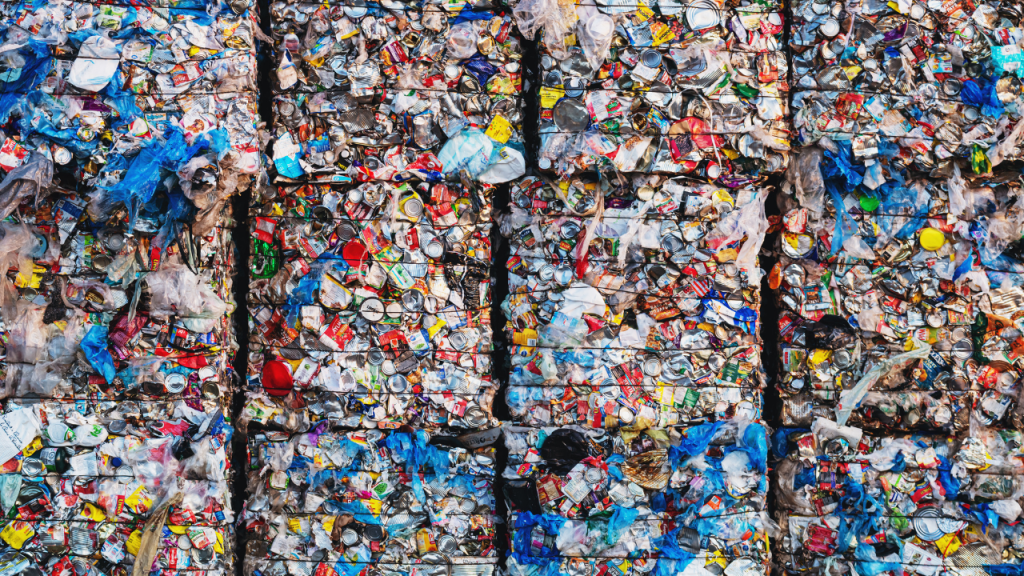
“We work together with our partners to obtain a stable, qualitative supply of recycled or biomass feedstock – and co-develop materials too. Teaming up with companies like GAIA enables us to close the automotive loop by recycling vehicle parts such as bumpers. We’re always looking for new ways (and partners) to scale different sources of plastic waste, integrate more recycled content and keep reducing environmental impact.”
Thibaut Debuissy, Engineering Coordinator & Advanced Engineering Manager
We focus much of our expertise on polypropylene, widely used across automotive and other industries. This know-how helps us integrate recycled plastics and biomass while maintaining the properties applications demand.
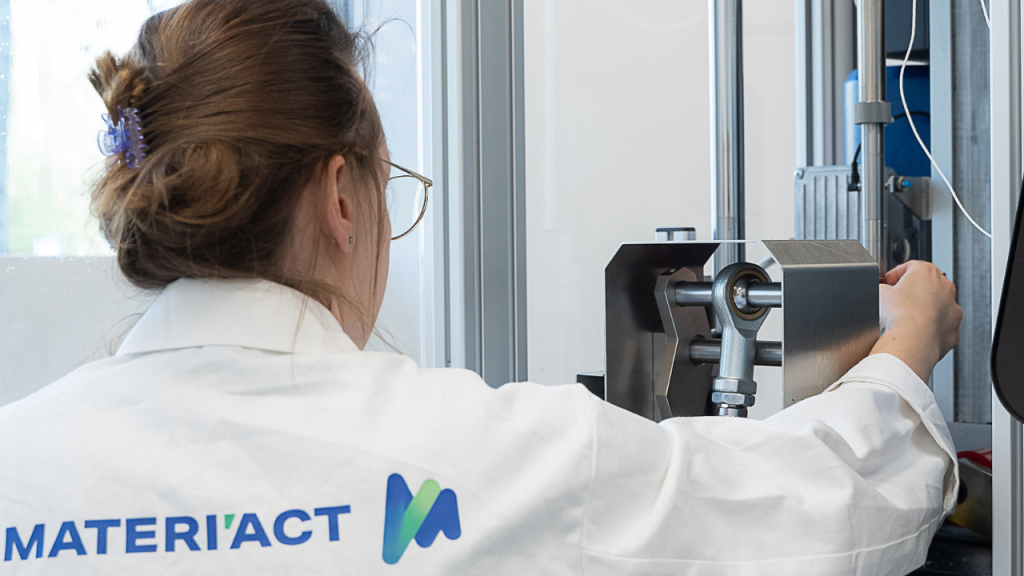
Unlike virgin plastics, recycled plastics can have very different compositions and properties. Biomass can be unpredictable too. However, the final material needs to meet stringent requirements in the automotive industry from UV to impact resistance. That’s why we characterize and stabilize feedstocks in-house. AI also helps us accelerate development, limit testing and identify correlations.
Our teams then develop formulations to homogenize and enhance material properties, using additives and reinforcements where needed. Supported by the EU and local Rhone-Alpes region, our Adaptative Formulation Through Artificial Intelligence aka FAVIA project is spearheading our efforts to tackle variability for consistent quality and performance.
Then comes compounding: blending feedstocks and additives into a robust, homogeneous material. In-line quality control and continuous adjustments during extrusion help ensure batch-to-batch consistency.
Our pilot production line lets us test, validate and fine-tune materials before scaling up.
From formulation to production, performance stays non-negotiable.

We deliver our compounds and surface materials as granules or rolls, ready to be transformed into finished parts. There are still challenges to scaling recycled plastics and biomass. But progress is accelerating, and the expertise we’ve built can serve applications in automotive and beyond.
Debunking 3 industry myths (we love proving people wrong)
Recycled is ugly
Recycled materials are bland, boring and bursting with imperfections, right?
No way!
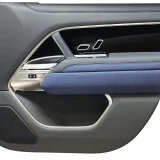
We design materials – like NAFILean Vision – for visible parts to high functional AND aesthetic standards with tailored finishes, controlled grain and even customised textures made from oyster shells, hemp and vine shoots. Green is the new black!
Recycled means weak
Old plastic can’t be as strong as virgin materials, right?
Wrong again.
Our materials are fully tested and validated to meet demanding applications – crash-tested, UV-resistant, low VOC & more. Some of our grades can even replace fibreglass – with a much lower weight too. Performance is non-negotiable.
You never know what’s in it
Recycled = mystery mix? At MATERI’ACT, we characterise, stabilise and trace every feedstock, working closely with recyclers like Veolia. Quality is validated at each step. No guesswork. Just engineering.